Solar Roof Readiness — Is Your Property Ready for Panels?
Your roof does more than provide a place for solar panels. Its condition, shape, surroundings and future use all affect the choices available for your property. A large roof can still have limited useful space, while a smaller roof may offer a clear and practical area for a carefully planned system. Looking at these details early helps you ask better questions and understand the design you receive.
This guide explains roof readiness in simple terms for homes and other buildings in Thailand. You do not need to inspect the roof yourself or understand electrical drawings to begin. Start with what you already know about your building, collect a few useful records and let suitable professionals assess the details that require inspection. The aim is a sensible design based on your property rather than a panel count chosen in advance.
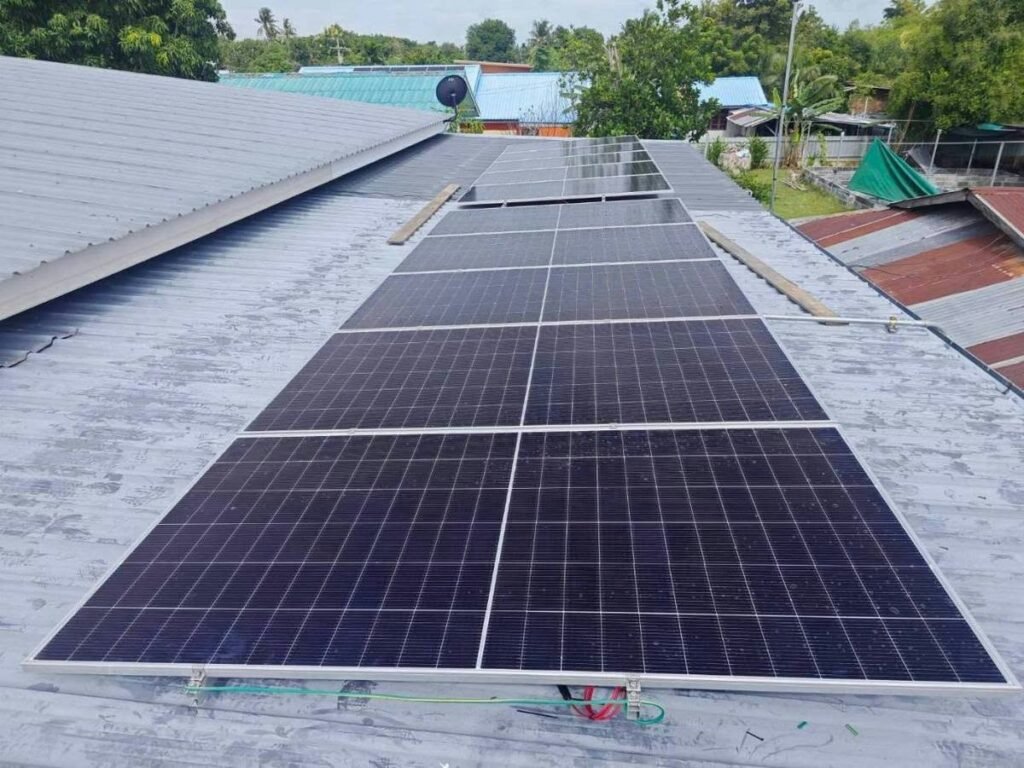
Start with the roof's history
If you are also buying or reviewing an existing home, use Thai Property Deals’ home inspection questions to organise broader questions about the roof, water, electrics and building condition. Bring the relevant findings to your solar assessor so the next conversation starts with clearer information about the property.
Understand the difference between roof area and usable area
The whole roof outline is only a starting point. Water tanks, roof lights, vents, equipment, changes in height and access routes can reduce the area available for panels. An attractive drawing that fills every empty-looking space may leave questions about how people will reach equipment or maintain the building. Ask the designer to explain the areas that have been left clear and the reasons for those choices.
A useful layout shows how the proposed system fits into daily building use. It should make sense to the owner, the people who maintain the property and the people responsible for the installation. The home solar planning guide explains how roof choices connect with household needs. Read it alongside the roof plan so that space and energy use are considered together.
Look at the shade around the building
Trees, neighbouring buildings, water tanks and nearby structures can cast shadows onto a roof. Shade can also change with the time of day and the season. A photograph taken at one moment is useful context, but it cannot describe the complete pattern. Tell the designer about tall trees, new buildings or anything else that may affect the sunlight reaching your property.
Keep the conversation focused on the design rather than assuming every shaded area must be used. Ask which roof sections are expected to contribute well and how shading has been included in the production estimate. You can contact SolarSunThai about a roof assessment with your location and a simple description of nearby shade. Any changes to trees or neighbouring structures should be considered separately with the relevant owners and professionals.
Let the structure be assessed properly
Roof appearance alone does not establish whether a building is suitable for a proposed installation. Roof materials, supports, existing condition and the planned mounting arrangement need to be considered together. A solar proposal should identify any structural checks still required and who will carry them out. Ask what information is needed before the design can be treated as ready for installation.
This is a good point to share drawings if you have them, especially where extensions or alterations have changed the original building. Avoid climbing onto the roof to collect measurements or trying to confirm the condition of supports yourself. You can help by explaining the building’s history and arranging access for the appropriate assessment. A clear professional finding is more useful than a confident guess based on a photograph.
Make the next step about your property.
Tell us your location, property type and main questions. Use the Contact Us form to send SolarSunThai the details you would like to discuss.
Discuss how the panels will attach to the roof
Mounting is part of the system design, even though it is less visible than the panels. Different roof materials and building details can need different solutions. Ask for a plain explanation of how the proposed mounting method suits your roof and how the installation will deal with weather protection. Keep the answer with the other design documents so it can be referred to later.
If your roof has an existing warranty, ask the roof supplier what information they need about the planned work. Do this before approving the project. Also ask the solar provider how roof-related concerns would be reported and investigated after installation. These questions are about clear responsibility. They help you understand which documents and contacts you will need if the building requires attention in the future.
Think beyond the panels to equipment locations
A roof plan is only part of the picture. The inverter, electrical equipment, monitoring connection and any battery also need suitable locations. Their positions affect cable routes, access and how the system fits around the building. Ask the designer to show these locations clearly, explain any practical requirements and identify anything that still needs confirmation during the site assessment.
Tell the designer about rooms that become very hot, spaces that may flood, planned renovations and areas used for storage or vehicle access. You are providing useful building knowledge, not choosing technical locations yourself. For an overview of the equipment categories involved, visit the SolarSunThai products page. The final equipment choice and position should be explained for your own property rather than copied from an example image.
Include access and everyday building use
The property still needs to work normally after solar is installed. Consider access to water tanks, roof drainage, air-conditioning equipment and other building services. Share any regular maintenance arrangements with the designer. An access route that looks unimportant on a drawing may be essential to the person who maintains the property every month.
It also helps to explain how the building is used during working hours. A shop entrance, school access route or shared driveway may affect how a site visit or installation can be arranged. The project plan should set out the expected arrangements rather than leaving people to work around an unexpected delivery. Send SolarSunThai your access questions when you first discuss the property, especially if the building has shared areas or restricted times.
Allow for changes you already expect
A new roof extension, another storey, a larger water tank or a change in business use can affect a solar plan. Mention projects that are likely to happen, even when the dates are uncertain. You do not need to buy equipment for every possible future change. You do need to understand whether today’s layout would make a known building project harder or require equipment to be moved.
The same applies to your energy use. If you expect to add air conditioning, change opening hours or spend more time at home, explain this separately from your current electricity use. Ask for the assumptions to be written down. A clear distinction between today’s needs and future possibilities makes it easier to compare options and decide which changes belong in the first stage of the project.
Ready to discuss your solar options?
Share your energy priorities and available property information through the Contact Us form. Ask about the next step and the assessment suitable for your location.
Prepare a short property information pack
A useful starting pack can be simple: the property location, a recent electricity bill, any roof drawings you already hold and a few photographs taken from safe ground-level positions. Add notes about roof age, known repairs, shade and planned building work. This gives the first conversation some shape without asking you to carry out a technical survey.
Use accurate labels on photographs so the designer knows which side of the building they show. Leave out private information that is not needed for the discussion. The solar installation guide can help you understand the later stages. Your information pack is a starting point for those stages, while the site assessment confirms the details that photographs and notes cannot establish.
Ask for a clear outcome from the assessment
After the roof assessment, ask what has been confirmed, what remains uncertain and what needs to happen next. You should be able to understand the proposed panel area, the main equipment locations and any repair or inspection work that must come first. If a part of the roof has been excluded, ask for the reason in everyday language.
Roof readiness is a useful decision point. It connects the building, the energy plan and the practical work needed to move forward. You can ask SolarSunThai to discuss your property’s solar readiness with your location, roof information and electricity needs. Begin with those details, then review a proposal that explains its assumptions. That is a stronger foundation for choosing solar than starting with the largest number of panels that appears to fit.
Keep exploring your solar options
Your Electricity Bill · On-Grid or Hybrid Solar
Browse all SolarSunThai blog posts for more guides in English and Thai.
Start with a clear conversation.
Tell SolarSunThai about your property and what you want solar to do. Complete the Contact Us form to ask a question or request an assessment. English: Joe +66843200279. Thai: +66847561520. Email: info@solarsunthai.com.