Solar for Farms — Plan Around Pumps and Daily Work
On a farm, electricity is tied to practical jobs. Water must reach the right place, produce may need cooling and equipment has to support the working day. Solar can be worth investigating, but a useful plan starts with those jobs rather than a photograph of panels beside a field. The right questions are about water, timing, equipment and reliability.
This is an educational guide for farm owners considering solar electricity in Thailand. It does not assume that a particular pump product or complete irrigation service is available from SolarSunThai. Use it to prepare a clear enquiry, then ask which parts of your property can be assessed and which questions require a pump, irrigation or electrical specialist.
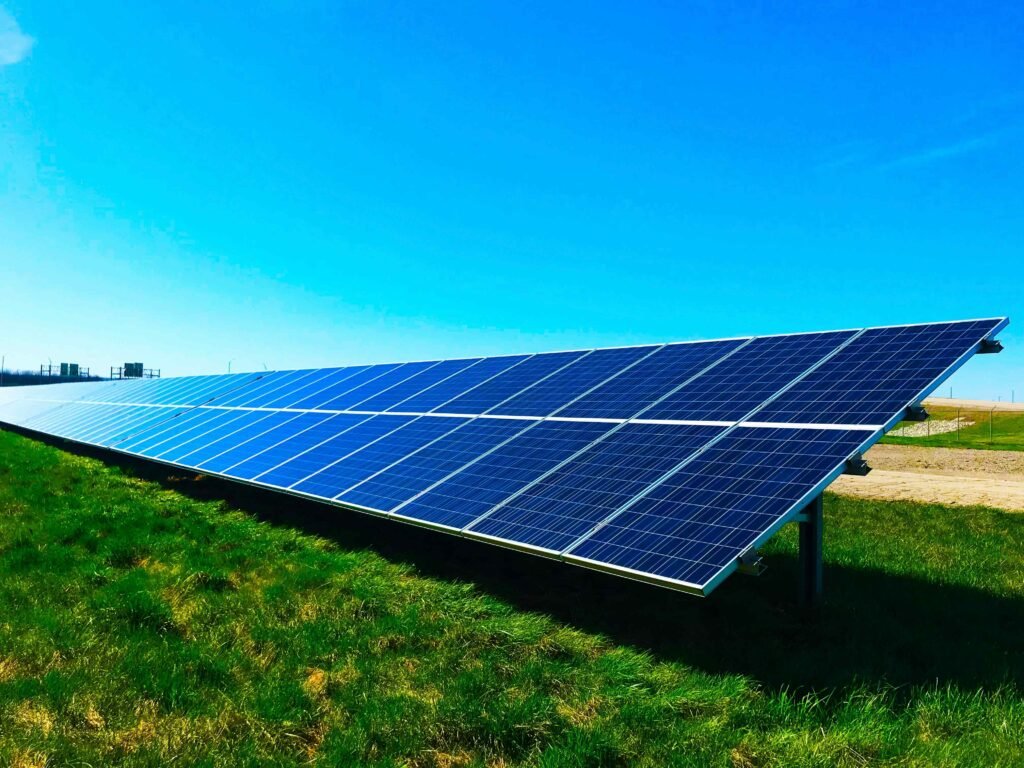
Describe the farm's work before choosing equipment
Begin with a simple description of the farm and the jobs that use electricity. Pumping may be the main load, but workshops, lighting, ventilation, refrigeration and accommodation can matter too. Note where each activity takes place and whether separate buildings have separate meters. This helps keep the solar discussion connected to the actual property instead of treating the whole farm as one undefined load.
Explain which jobs happen daily, weekly or only during a season. A short period of very heavy work can be important, yet it does not describe normal electricity use for the rest of the year. Share both the busy period and the quieter routine. The objective is a system assessment based on the work you need, with any future changes identified separately.
Start pump discussions with the water requirement
A pump is there to move water, so record the task it must perform. Describe where the water comes from, where it goes and when it is needed. Include the existing storage arrangement and any known changes in water availability. If you have reliable records of water delivered, share them. Do not assume that the motor label alone describes whether the water system meets the farm’s needs.
Water flow, lift, pipe arrangements and the operating point of the pump all need appropriate review. A pump specialist can assess whether the existing equipment is matched to the job before a solar design is considered. The US Department of Energy pump systems resources describe pump selection and assessment as whole-system matters. They are useful background, rather than a substitute for local professional advice.
Record how and when each pump runs
Write down normal start times, running periods and the number of pumps that may operate together. Note whether the schedule changes with rainfall, crop stage or water source conditions. A pump that runs only for a short morning task has a different electricity pattern from one that must operate for much of the day. Accurate notes help reveal these differences.
Where practical records already exist, provide them instead of relying only on memory. Electricity bills and control records can support your description, but do not open electrical equipment to collect information. Safe photographs of accessible equipment labels may be useful if requested. Ask SolarSunThai what farm information can be reviewed and whether a pump specialist should join the assessment.
Have motor starting and compatibility checked professionally
A motor can have different needs when starting and when running steadily. Several motors starting together may create another demand to consider. Pump controls and the available electrical supply also affect what design is suitable. These are reasons to arrange a professional assessment, not instructions to choose an inverter by matching one number printed on a pump.
Tell the assessor about any existing starting problems, equipment trips or changes already proposed by your maintenance provider. Keep the original control and equipment details available. A qualified professional should review electrical compatibility, protection and any proposed changes. Avoid buying panels, batteries or a controller on the assumption that all pumps of a similar advertised power can use the same arrangement.
Make the next step about your property.
Tell us your location, property type and main questions. Use the Contact Us form to send SolarSunThai the details you would like to discuss.
Compare daylight with the timing of farm jobs
Solar electricity is produced in daylight, while farm tasks may need to happen earlier, later or during cloudy weather. Put the important jobs on a daily timeline. Highlight the tasks with fixed timing and those that could be flexible without harming crops, animals or workers. The solar assessment should reflect those operating needs instead of asking the farm to follow an ideal sunshine schedule.
For some properties, pumping water into suitable storage during daylight may be an option to discuss with an irrigation specialist. Storage still has to meet water quality, capacity and delivery needs. It is not automatically a replacement for electrical storage or another power source. Our solar calculator information can introduce energy planning, but a farm pump design needs more specific information.
Treat seasons as part of the design brief
A farm’s busiest water period may differ from its busiest harvesting or processing period. Gather electricity bills and farm notes from different seasons where possible. Mark periods when equipment was unused, a field was out of production or unusual weather affected the workload. These details give context to a yearly total that otherwise looks more regular than the real operation.
Explain whether the proposed system should serve the current activity or a planned change in crops, buildings or equipment. Ask the assessor how those scenarios have been considered. A forecast should not quietly assume that one unusually busy month happens every month. Clear seasonal assumptions make it easier to compare proposals and understand why the suggested scale may differ from an initial guess.
Choose a location that respects farm movement
Possible panel locations need to be considered alongside machinery routes, drainage, workers, animals and access for maintenance. A clear patch of land is not automatically a suitable site. A roof may also need structural review and access planning. Explain how the surrounding area is used throughout the year, including vehicle movement and places where water can collect.
If ground-mounted panels are being considered, discuss land use carefully before setting aside a working area. Farm operations and the proposed structure must be able to coexist in a practical way. The US Department of Energy farmer’s solar guide identifies agricultural equipment compatibility as a planning issue. The design for your property still needs to reflect local conditions and the specific work carried out there.
Be clear about supply during poor weather and outages
Solar availability changes, while some farm jobs cannot wait for better sunlight. Identify which activities must continue and how long a delay would be acceptable. Existing grid connections, generators, stored water and other arrangements should be explained to the professionals reviewing the site. A request for help with daytime electricity is different from a request for an independent power supply.
Solar panels alone do not guarantee dependable off-grid operation or backup through an outage. A battery also has limits in usable energy and power. Read our battery storage guide for the basic distinctions. Then discuss your essential farm tasks with SolarSunThai and ask what further specialist work would be needed to assess continuity.
Ready to discuss your solar options?
Share your energy priorities and available property information through the Contact Us form. Ask about the next step and the assessment suitable for your location.
Compare the full scope of a farm proposal
Ask each proposal to state exactly which loads, buildings and meters are included. A solar electricity proposal may not include pump replacement, irrigation design, new storage tanks or changes to distribution pipes. These items should be discussed explicitly where relevant. Clear scope allows you to compare like with like and plan other work without relying on an assumption.
Also ask how the system would be monitored, how faults would be identified and how maintenance access would work during a busy season. Consider who on the farm would read reports and keep equipment records. The most useful monitoring arrangement is one that the responsible person understands and can use. A large number of screen readings is less helpful if nobody knows which changes need attention.
Prepare your farm solar enquiry
Send the property location, a description of the farm’s main activities and the reasons you are considering solar. Include recent electricity bills where available, pump schedules and details of any separate meters. Explain whether the first question concerns an existing grid-connected building, a remote pump or future equipment. These are different starting points and may need different professional input.
You do not need to choose a system size before making contact. It is more useful to explain the work that must be completed and any limits on timing, space or access. Contact SolarSunThai to discuss the suitability of a farm solar assessment. Ask what can be assessed, what documents would help and which pump or irrigation questions should be reviewed separately.
Keep exploring your solar options
Solar and EV Charging · Your Electricity Bill
Browse all SolarSunThai blog posts for more guides in English and Thai.
Start with a clear conversation.
Describe the pumping job before selecting equipment
Start with what the pump needs to achieve: the task, normal operating schedule, seasonal use and any existing equipment information. Explain whether operation can move within the day or whether it must happen at a fixed time. Keep water-use requirements separate from electrical assumptions so the assessor can identify which details need specialist review. A solar package capacity alone cannot describe the pumping duty or confirm compatibility with the equipment already on the farm.
Also discuss equipment locations, access and the conditions around the proposed installation. Mention exposed areas, planned building work and practical restrictions on maintenance access. If continuity matters, identify the consequences of an interruption and ask what additional assessment is needed. Keep the agreed task and operating assumptions with the proposal so a later equipment change can be reviewed against the same purpose. This is a more useful comparison than assuming another farm’s array or an advertised package will reproduce the operating outcome needed at your site.
Tell SolarSunThai about your property and what you want solar to do. Complete the Contact Us form to ask a question or request an assessment. English: Joe +66843200279. Thai: +66847561520. Email: info@solarsunthai.com.