Solar Warranties — Understand the Cover Before You Choose
A solar warranty can sound straightforward until you begin comparing the documents. One promise may concern a panel’s product defects, another its stated performance and another the installation work. Batteries, inverters and monitoring services may have their own terms. Reading these separately helps you understand what is being offered and which questions still need an answer before you choose.
This guide is a practical checklist for discussing solar warranties in Thailand. It does not promise a particular warranty period or describe the terms of a specific SolarSunThai package. The applicable cover depends on the actual products, written agreements and circumstances of the project. Use the questions below to request the right paperwork and make a clear record of the answers, then keep that record with your system documents.
Request the documents for the actual equipment
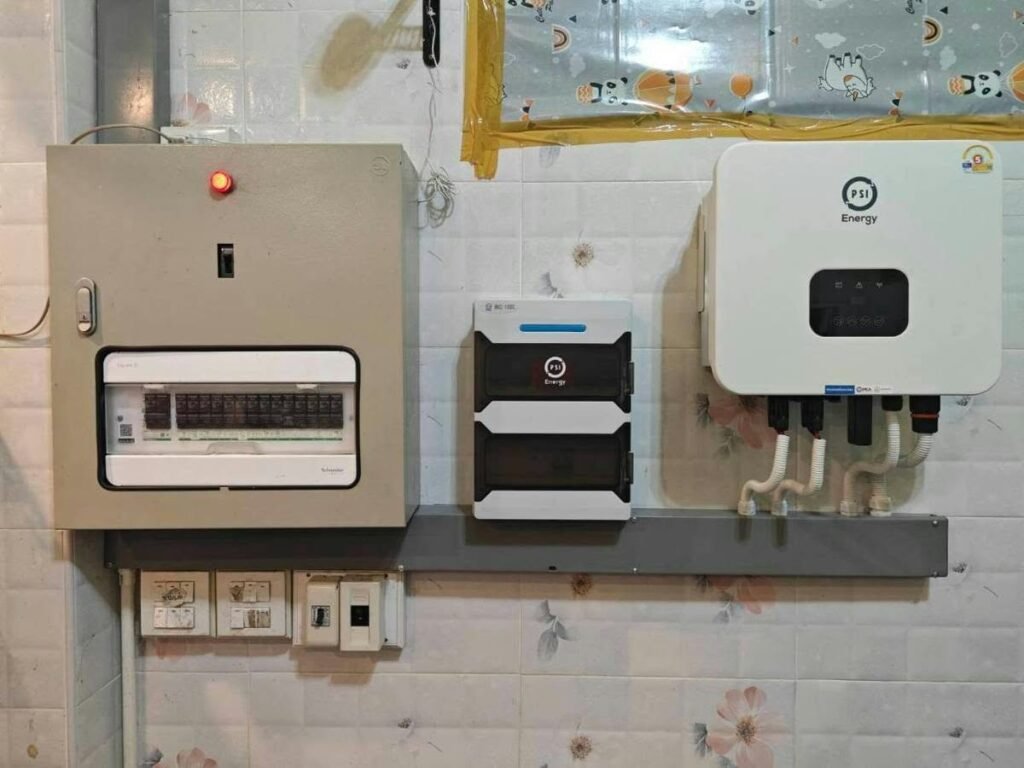
Begin with the exact panel, inverter and battery model names in the proposal. A brand can sell several product ranges, and a general brochure may not explain the terms for the models you are being offered. Ask for the relevant warranty documents and check that the equipment list in the final agreement matches them. Keep copies rather than relying only on a changing web page.
Also ask whether the documents apply to the market and installation being discussed. A warranty downloaded from another country’s website may be useful background, but it should not be assumed to describe your cover in Thailand. If a document or translation is unclear, ask for an explanation before signing. The goal is a clear link between the proposed equipment, the seller’s agreement and the terms that will apply to your purchase.
Separate panel product cover from performance cover
A panel product warranty and a panel performance warranty address different concerns. Product cover relates to defects described in the terms. Performance cover concerns the output level described in its own document and assessment method. A long performance headline does not explain every possible fault, every service cost or the energy that your whole roof will produce in everyday weather.
Ask the provider to show where each type of cover is written and how a claim would be assessed. Keep the explanation in ordinary language alongside the documents. For example, ask what happens if a panel stops working and what happens if a concern is about its output. Ask SolarSunThai to explain the proposed panel warranty using the specific model in your quotation, so that you can compare the actual offer.
Review inverter terms on their own
The inverter is a separate product and should have its own clear warranty information. Ask when its cover begins, what evidence of purchase is needed and whether any registration is required. If an extension is offered, request the cost, the registration deadline and the written details of what changes. Avoid assuming that an extended period automatically includes every type of service expense.
Ask how faults are reported and how the equipment would be examined if there is a problem. It is also useful to know whether the proposed monitoring connection has a role in diagnosis or service. These questions help clarify the practical process. They do not require you to diagnose the inverter or adjust its settings yourself. Keep the correct contact and product details so that a future query starts with accurate information.
Look closely at battery conditions if storage is included
Battery terms may describe more than a calendar period. They can include conditions about use, energy delivered, charging cycles or retained capacity. Ask which measures apply to the battery being proposed and how they are recorded. Request an explanation of unfamiliar terms in relation to your intended use rather than accepting a headline that is difficult to interpret.
Discuss your aims clearly, including evening use and any desired backup function. The equipment design and the written terms should both be checked for those aims. Ask whether proposed operating settings or future equipment changes could affect cover. You can review the SolarSunThai product categories before the discussion, then bring the questions back to the specific battery and inverter combination in your quotation. Example images do not establish a product’s warranty or capacity.
Make the next step about your property.
Tell us your location, property type and main questions. Use the Contact Us form to send SolarSunThai the details you would like to discuss.
Ask what installation cover includes
Equipment warranties do not answer every question about installation work. Ask for the written terms that apply to workmanship and for an explanation of the work they cover. If a concern involves mounting, cabling or a roof leak near the installation, you should know who to contact and how responsibility would be investigated rather than having to guess which company should receive the first call.
Keep this discussion connected to the agreed project scope. Existing roof defects, repairs performed by others and later building changes should be recorded clearly. The installation planning guide explains why a clear scope and handover matter. Good paperwork helps everyone refer to the same work description if a question arises, including the roof specialist, equipment supplier and installer where more than one party is involved.
Check the costs around a claim
Repair or replacement of a product is only part of the practical picture. Ask who pays for diagnosis, site visits, access equipment, removal, transport and reinstallation if a covered fault is confirmed. Also ask what charges could apply if the investigation finds that the issue is outside the warranty. A clear answer now makes the meaning of the offer easier to understand.
Read the remedy section rather than assuming that every accepted claim results in a new, identical product delivered and fitted without any cost. Ask what the manufacturer or seller may provide under the terms and how a compatible replacement would be handled if the original model is unavailable. Discuss service and claim costs with SolarSunThai before choosing between proposals, and request written clarification wherever the documents leave an important question open.
Understand the care and record requirements
Ask what routine care, inspections and records the equipment terms require. Keep the answer with the product manuals. If servicing is recommended, understand what is recommended for good operation and what is specifically required by a warranty document. These are useful questions to settle at handover, when the equipment details and installation records are readily available.
Keep invoices, serial numbers, commissioning information and service records together. You can also keep dated monitoring reports or correspondence about concerns. There is no need to open equipment, climb onto the roof or attempt electrical checks to create your own evidence. If a problem needs investigation, use the service route provided for the system. Clear records support a conversation with the responsible parties without asking you to carry out work beyond normal ownership.
Keep warranty and insurance questions separate
A product warranty and an insurance policy have different purposes and documents. Ask the equipment provider about warranty exclusions, then ask your insurer how the proposed system would be treated under your property cover. Do not assume a panel warranty answers questions about storm damage, theft or accidental damage. The insurer should explain its own terms, limits and information requirements.
If the property is rented, shared or owned by a business, identify who needs to take part in that conversation. A landlord, building manager or other owner may need the equipment details before work begins. Keep any insurance confirmation with the solar agreement. This small amount of organisation helps prevent a gap where several people each assumed someone else had checked how the new equipment would be recorded.
Ready to discuss your solar options?
Share your energy priorities and available property information through the Contact Us form. Ask about the next step and the assessment suitable for your location.
Plan for ownership changes and future additions
Ask what happens to the warranty if you sell the property or transfer ownership of the equipment. Check whether a notification, form or other step is required. Keep copies of the original purchase and installation documents so that you can pass on useful information if your circumstances change. A future owner should be able to identify the products and find the correct service contacts.
Also ask how a later battery, extra panels, inverter change or building alteration should be handled. Equipment compatibility and warranty conditions need checking before additions are made. The guide to choosing solar packages can help you compare the initial options, but future work needs its own review. Record possible expansion plans in the first discussion so that the limits of the current design are clear.
Make a one-page warranty summary before deciding
Create a short summary listing each product, its warranty document, the stated start date, any registration task, the first service contact and the main questions about costs or exclusions. Add a separate line for installation cover. This is a practical index to the full documents, rather than a replacement for them. Ask the provider to correct anything you have misunderstood.
Contact SolarSunThai with your warranty questions before you approve a solar proposal. Request clear explanations for the equipment actually being offered, and keep the answers in writing. Choosing solar involves the building, the design, the products and the support arrangements together. Understanding the warranty paperwork gives you a better way to compare those arrangements and a useful set of records to keep after the system is installed.
Keep exploring your solar options
Solar Roof Readiness · Solar Monitoring
Browse all SolarSunThai blog posts for more guides in English and Thai.
Start with a clear conversation.
Tell SolarSunThai about your property and what you want solar to do. Complete the Contact Us form to ask a question or request an assessment. English: Joe +66843200279. Thai: +66847561520. Email: info@solarsunthai.com.