Solar Panel Care — Keep Your System Working Well
Solar panels become part of everyday life once a system is installed. You may notice the electricity figures in an app, then carry on with work, family and everything else. That is understandable. A small routine for looking after the system can help you stay informed without turning solar ownership into another full-time job.
This guide is for homeowners and business owners in Thailand who want a clear, practical approach to solar panel care. It covers safe observations from ground level, helpful records and questions for a professional service visit. The correct maintenance plan depends on your equipment and property. Contact SolarSunThai to discuss your system and the support you need.
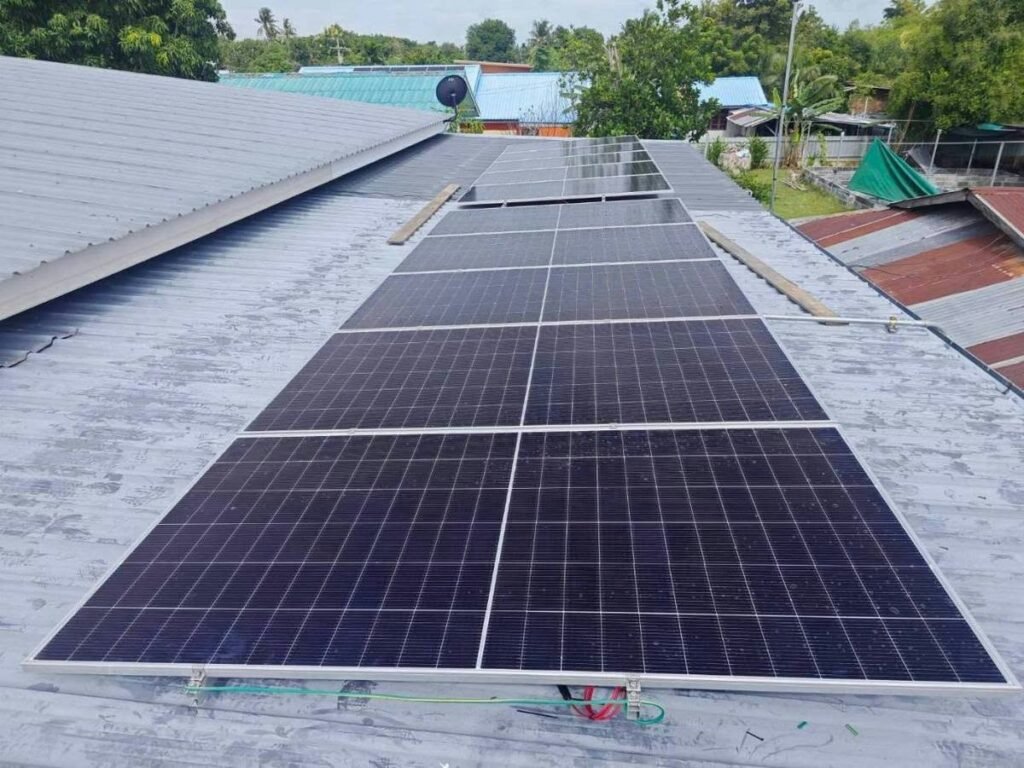
Begin with the documents for your own system
Put the handover documents somewhere you can find them easily. Useful items include the equipment list, installation date, product manuals, warranty terms, electrical drawings and the name of the installer. A shared folder can help if several family members or staff look after the building. Keep a separate copy so important information does not disappear when a phone is replaced.
Read the maintenance instructions supplied for the actual equipment rather than relying on a general schedule found online. Ask the installer to explain unfamiliar terms in plain English or Thai. Write down who should receive questions about panels, the inverter, batteries and workmanship. A clear contact list saves time when you need advice and helps you avoid sending the same query to several unrelated companies.
Know the difference between observing and servicing
You can notice changes without touching the solar equipment. From a normal, safe position on the ground, you might see a branch that has grown nearer the roof or debris that was not there before. Record what you see and the date. An observation gives a qualified professional useful context; it does not establish the cause or tell you whether equipment is safe.
Keep roof access, cleaning and electrical inspection with qualified people who have the right procedures and equipment. Do not climb up for a better photograph, open electrical covers or handle solar wiring. The Australian Government’s solar care guidance explains why professional maintenance matters. Its general safety advice is useful, while your own installation must follow the requirements that apply in Thailand.
Let the site shape the care discussion
Two systems in the same province may need different attention. One property may be close to a dusty road, while another has nearby trees or regular building work. Describe these conditions when discussing maintenance. Include changes since installation, such as a new roof extension next door, a nearby workshop or a tree that now reaches a different height.
Ask the service provider how those observations affect the proposed work and visit frequency. Request an explanation tied to your property and the manufacturer’s instructions. You do not need to choose a cleaning schedule by guessing from the appearance of the panels in a distant photograph. A suitable plan should explain what will be checked and why that work is relevant to the site.
Use performance records as a conversation starter
If monitoring is available, save an occasional record of energy production along with the dates shown. Note a period of unusually wet weather, an internet interruption or a known power outage. This makes the record easier to interpret later. A single low day is only a small part of the story, especially when you are comparing days with very different weather.
Share a continuing change or an unfamiliar alert with the installer rather than trying to diagnose it from one number. Ask whether the information suggests an equipment check or whether more data is needed. The US Department of Energy’s operation and maintenance overview supports following performance over time. It does not provide one output target for every roof.
Make the next step about your property.
Tell us your location, property type and main questions. Use the Contact Us form to send SolarSunThai the details you would like to discuss.
Discuss panel cleaning before booking it
Cleaning is a service decision, not a competition to make the roof look spotless in a photograph. Ask a qualified provider whether cleaning is appropriate for the equipment and site. Request confirmation that the planned method follows the panel manufacturer’s instructions. Include safe access, responsibility for the work and any effect on existing warranty terms in the conversation before accepting a booking.
A useful quotation should make clear whether the visit covers cleaning alone or a broader inspection. Ask what the provider will report afterwards and how any concerns will be raised. Do not assume that a clean-looking panel means the whole system has been checked. Our solar services page is a starting point for discussing the type of professional support you are looking for.
Keep changes around the equipment visible
Solar equipment can be forgotten when a storage room, carport or working area is reorganised. Before changing the space around an inverter or battery, check the equipment documentation and ask for advice about access and clearance requirements. Share the proposal with the person responsible for the system. This is especially helpful where a building manager, tenant and owner have different responsibilities.
From ordinary ground-level positions, notice whether stored items or new structures have changed the surrounding area. Report the situation without moving electrical equipment or reaching into enclosed spaces. If another contractor is working on the roof or nearby building fabric, tell them there is a solar installation and ask them to coordinate with the responsible solar professional before work begins.
Make a clear plan for unusual conditions
Agree in advance who to contact after a severe weather event or when someone notices visible damage. Keep the installer’s details accessible to other people using the building. A short written plan is easier to follow than trying to remember a conversation months later. Include the location of the official owner instructions and the person authorised to arrange a professional assessment.
If equipment appears damaged or there are signs of an immediate hazard, keep people away and seek qualified assistance or emergency help as appropriate. Do not go onto the roof or approach damaged wiring to collect evidence. Send SolarSunThai a description of the concern and your system details when it is safe to do so. Photographs should only be taken from a safe location.
Ask for a useful service report
Before a visit, ask what the written report will include. You may want a summary of the areas inspected, any observations, the equipment involved and recommended next steps. Ask the provider to distinguish work completed from work proposed. A clear record helps you understand the outcome even if a different person attends the next service appointment.
Afterwards, keep the report with invoices and earlier records. If a replacement is recommended, ask for the reason, the exact part and how compatibility will be confirmed. Request a separate explanation of any warranty claim. The solar installation guide explains the value of a clear handover, and the same approach is useful throughout ownership.
Ready to discuss your solar options?
Share your energy priorities and available property information through the Contact Us form. Ask about the next step and the assessment suitable for your location.
Give shared properties one point of responsibility
For a rental property, shop or workplace, decide who checks messages and who can approve a service visit. A monitoring notification is less helpful if it reaches an email address nobody reads. Tell the responsible person when staff change or ownership transfers. The equipment records should remain available to the owner without depending entirely on a former employee’s personal account.
Include solar in the building’s normal handover notes. Record the support contacts and where the manuals are stored, but avoid sharing passwords in public documents. If roof work or electrical changes are proposed, make sure solar is part of the discussion at the planning stage. This simple coordination can prevent confusion between trades and make later questions easier to resolve.
Build a routine that you can maintain
Choose a simple reminder to look at recent records and confirm that support details are still current. The routine can be brief: check the dates, note anything unfamiliar and file new documents. Let qualified advice and the equipment instructions guide professional visits. Buying extra services simply because a calendar reminder appears is less useful than understanding what your system actually needs.
Good solar care is about staying informed and getting the right help when something changes. Keep the documents together, observe safely and ask for explanations you understand. If you are considering a new system, discuss ongoing support before deciding on equipment. Contact SolarSunThai about solar care, installation planning or your next question, with your property location and any available system details.
Keep exploring your solar options
Solar Monitoring · Solar for Hotels and Guesthouses
Browse all SolarSunThai blog posts for more guides in English and Thai.
Start with a clear conversation.
Prepare a useful maintenance request
Keep the equipment list, commissioning date and relevant manufacturer instructions together before arranging a service. Explain the concern in terms you can observe safely, such as a monitoring alert, a persistent change in reported generation or visible debris seen from an accessible location. Note recent building work or severe weather if relevant. This gives the service team context without asking you to climb onto the roof or inspect electrical components yourself.
Ask the provider to describe the proposed inspection scope, any access requirements and the information you will receive afterwards. Clarify which work is routine maintenance and which issue needs separate investigation or a warranty enquiry. Keep the service record with the system documents and note any follow-up recommendation. A consistent record helps future visits focus on what has already been checked. It also makes it easier to compare a new concern with earlier observations rather than relying on an isolated photograph or a remembered change in the bill.
Tell SolarSunThai about your property and what you want solar to do. Complete the Contact Us form to ask a question or request an assessment. English: Joe +66843200279. Thai: +66847561520. Email: info@solarsunthai.com.